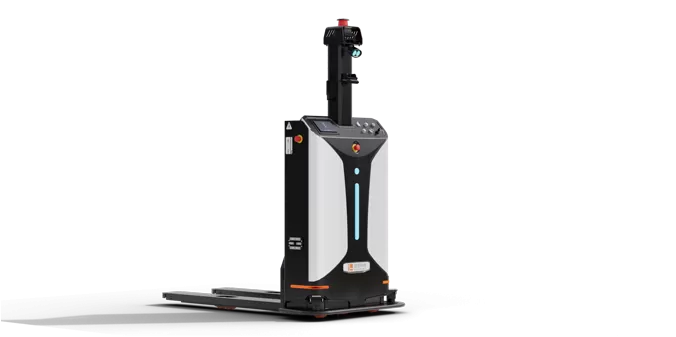
Iplusmobot
About Us
IPLUSMOBOT is a global leader in intelligent mobile robotics, founded in 2016 and headquartered in Hangzhou, China. We specialize in providing automated and intelligent robotics, along with a wide range of logistics products and solutions tailored to the manufacturing industry. We are committed to helping businesses enhance production efficiency, improve safety, and create better working conditions.
CONTACT
E-mail:
sales@iplusmobot.com
Phone:
+86-400-100-6391
Address:
West Side of Building I, No. 1261 Jinhai Avenue, Lupu Town, Yuhuan City, Taizhou City, Zhejiang Province, PRC
BLOG
WHAT ARE THE DIFFERENCES, FUNCTIONS, AND ADVANTAGES BETWEEN AMR AND AGV AUTONOMOUS MOBILE ROBOTS?
Table of Content [Hide]
- Navigation Technology of AMR and AGV
- Flexibility of AMR and AGV
- Deployment Cost of AMR and AGV
- AGV AMR Robot Task Applicability
- AMR and AGV Collaboration with Humans
Automated mobile devices are playing an increasingly important role in factory logistics and production efficiency, among which AGV (Automated Guided Vehicle) and AMR (Autonomous Mobile Robot) as two major types of autonomous mobile robots, are similar in some aspects but also have some key differences. Let's take a closer look at AGV amr robot meaning definition and their navigation technology, flexibility, deployment cost, task applicability, and collaboration with humans.
NAVIGATION TECHNOLOGY OF AMR AND AGV
AGV Robot
AGV usually navigates using pre-defined paths or guide lines. These guide lines can be magnetic tapes, guide plates, or other detectable markers on the floor. AGV pallet jack relies on these pre-planned paths to complete its tasks during operation.
AMR Definition Robot
In contrast, AMR usually has more advanced navigation technologies, such as laser radar, visual perception, encoders, etc. This allows AMR to perceive and adapt to the environment in real-time, without the need for pre-defined paths. Its autonomous planning capability provides the robot with greater flexibility.
FLEXIBILITY OF AMR AND AGV
AGV
AGV typically operates on fixed paths, and its path and tasks often need to be planned and set in advance before deployment. This makes AGV suitable for relatively static production environments.
AMR
What is amr in robotics? AMR forklift is more flexible, able to autonomously plan paths, adapt to environmental changes, and make decisions during operation. This flexibility makes AMR very suitable for factories and storage scenarios that require frequent adaptation to changes.
DEPLOYMENT COST OF AMR AND AGV
AGV
AGV deployment usually requires the installation of guide lines or other navigation facilities on the floor, which may increase deployment costs. Pre-planning paths and installing equipment require more engineering preparation.
AMR
Due to its advanced perception and navigation technologies, AMR may have lower deployment costs. Without the need for additional ground infrastructure, AMR can be put into operation more quickly.
AGV AMR ROBOT TASK APPLICABILITY
AGV
Iplusmobot AGV forklifts are primarily employed for fixed and repetitive tasks, such as transporting materials on factory assembly lines. Their design is more focused on specific and relatively simple application scenarios.
AMR
AMR is more suitable for scenarios that require flexible adaptation to the environment and the execution of diverse tasks, such as warehousing, logistics, and healthcare. Its autonomous planning capabilities enable it to handle more complex and varied work.
AMR AND AGV COLLABORATION WITH HUMANS
AGV
AGVs typically require clear paths without personnel in their travel routes to ensure safety. This limitation restricts their application in environments with dense human presence.
AMR
AMRs typically feature advanced safety functions, allowing for better collaboration with personnel, even in environments with dense human presence. This makes AMRs more versatile across various scenarios, thereby enhancing overall factory collaborative efficiency.
In summary, both AGV and AMR are types of automated mobile devices, but they exhibit differences in design and application scenarios. The choice depends on specific application requirements and environments. IPLUS MOBOT's advanced technology, particularly with AMR products incorporating high-precision SLAM technology, offers customers more flexible and efficient solutions, driving continuous improvements in factory logistics and production efficiency.
For more information about amr robot definition and amr definition robot, please feel free to contact us!
There are many autonomous mobile robot manufacturers, but we are one of the best choices for you.
FROM CHIPS TO AUTOMATION: EXPLORING THE IMPACT OF SEMICONDUCTOR ROBOTS
Table of Content [Hide]
- Introduction to Semiconductor Robots
- Advantages of Semiconductor Robots
- How Semiconductor Robots are Transforming the Semiconductor Industry
- The Future of semiconductor automation
In today's fast-paced and technology-driven world, semiconductor robot have become indispensable. These cutting-edge machines play a crucial role in the semiconductor industry, revolutionizing the way chips are manufactured. In this blog post, we will delve deeper into the topic of semiconductor robots, their benefits, and the impact they have on automation.
INTRODUCTION TO SEMICONDUCTOR ROBOTS
Semiconductor robots are sophisticated machines designed specifically for the semiconductor industry. Their primary purpose is to automate various processes involved in chip manufacturing. These robots are equipped with advanced technology, allowing them to handle tasks with precision and efficiency. From wafer handling to testing and packaging, semiconductor robots play a vital role at every stage of production.
ADVANTAGES OF SEMICONDUCTOR ROBOTS
The integration of semiconductor robots in the manufacturing process brings numerous benefits. Firstly, they significantly enhance productivity by minimizing errors and reducing production time. These robots can perform tasks at a much faster rate than human operators, leading to increased output and efficiency. Additionally, semiconductor robots excel in repetitive and monotonous tasks, freeing up human resources for more complex and value-added activities.
Another advantage of semiconductor robots is their ability to improve product quality. Due to their high precision and accuracy, these robots can handle delicate components and perform intricate tasks that would be challenging for humans. This results in a higher yield of quality chips and reduces the likelihood of defects, thereby saving costs for manufacturers.
HOW SEMICONDUCTOR ROBOTS ARE TRANSFORMING THE SEMICONDUCTOR INDUSTRY
Semiconductor robots are transforming the landscape of the semiconductor industry in various ways. Firstly, they enable manufacturers to achieve greater economies of scale. With the ability to work 24/7 without breaks or fatigue, semiconductor robots can maintain a high level of productivity consistently. This increased production capacity allows manufacturers to meet growing market demands quickly and efficiently.
Moreover, the use of semiconductor robots reduces the risk of contamination in the manufacturing process. As chips become smaller and more intricate, the slightest contamination can lead to significant issues. Semiconductor robots, operating in a controlled environment, mitigate this risk by minimizing human contact and ensuring a clean and sterile production process.
THE FUTURE OF SEMICONDUCTOR AUTOMATION
Looking ahead, the future of semiconductor automation seems promising. As technology continues to advance, we can expect semiconductor robots to become even more sophisticated and intelligent. Artificial intelligence (AI) and machine learning algorithms will likely play a significant role in enhancing the capabilities of semiconductor robots. This could lead to further automation of complex tasks, such as quality control and fault detection.
Furthermore, the integration of Internet of Things (IoT) technology with semiconductor robots will enable seamless communication between different machines and systems, facilitating a truly interconnected and efficient manufacturing process. This will revolutionize the way chips are produced, making the semiconductor industry more agile and adaptable to changing market demands.
In conclusion, semiconductor robots have become indispensable in the semiconductor industry, offering numerous benefits and driving automation. Their precision, efficiency, and ability to handle complex tasks have revolutionized chip manufacturing. As technology continues to advance, semiconductor automation will play a pivotal role in shaping the future of the industry, leading to enhanced productivity and quality. With semiconductor robots, the semiconductor industry is well-positioned to continue its evolution and meet the growing demands of the technological era.
For more information about automation in semiconductor manufacturing, please feel free to contact us!
There are many autonomous mobile robots companies, but we are one of the best choices for you.
ROBOTS IN THE AUTOMOTIVE INDUSTRY
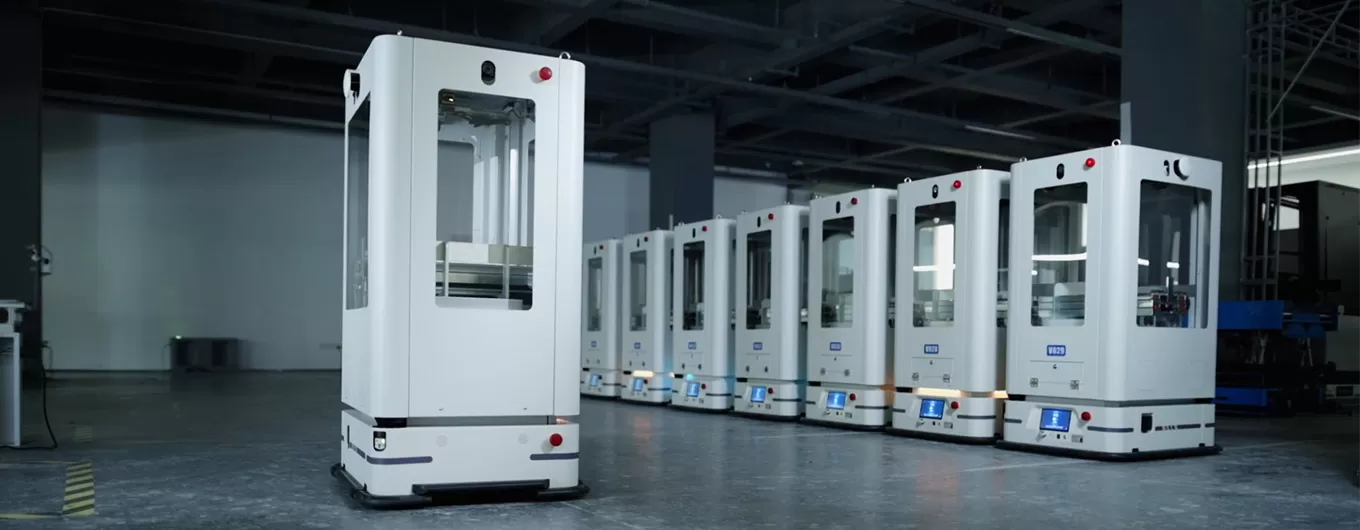
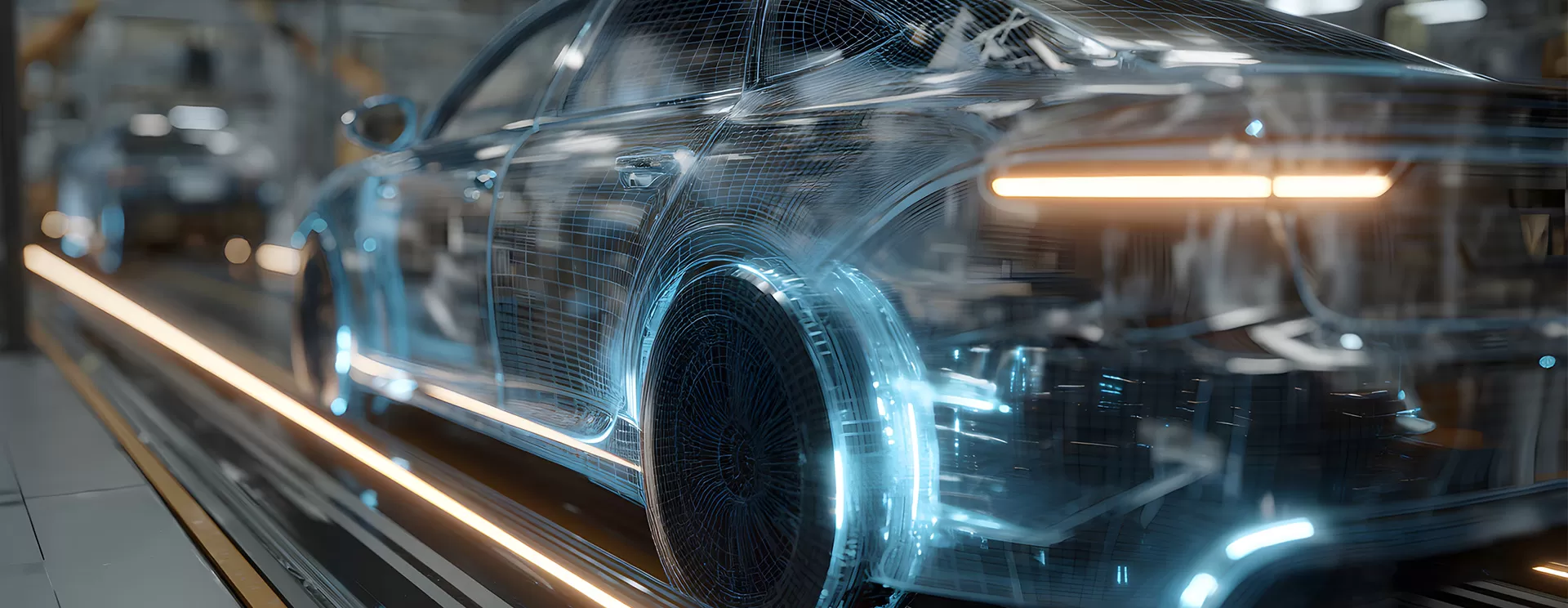
The key advantages of ROBOT applications in the automotive manufacturing industry lie in their high flexibility and intelligent collaboration. Robots can achieve autonomous navigation without environmental modifications, easily adapting to mixed-line production needs. With millimeter-level positioning and centralized fleet scheduling, Transportation Robots can seamlessly integrate with production lines, robotic arms, lifters, and other equipments, forming highly flexible automated production units that significantly improve material flow efficiency.
Heavy Load & Efficiency
Heavy-duty chassis enable 24/7 continuous operation, enhancing material turnover and production efficiency.
Flexible Assembly
ROBOT routes can be flexibly deployed for mixed-line production, rapidly responding to factory production needs.
Intelligent Collaboration
Precision docking with production line robots and equipment enables automated material loading/unloading.
Full Process Control
Integration with production systems enables centralized scheduling, monitoring, and optimization of logistics with full data traceability.
For more information about robots in transportation, please feel free to contact us!
There are many mobile robot companies, but we are one of the best choices for you.
WHAT ARE THE ADVANTAGES OF DRIVERLESS FORKLIFTS?
Table of Content [Hide]
- Application of Advanced Visual Navigation Technology
- Various Advantages of Driverless Forklifts
In traditional warehouses and factories, the handling of goods has always been a task that consumes a lot of manpower, is inefficient, and prone to errors. Especially in the picking phase, factors such as the diversity in storage location, size, and weight of goods pose significant challenges to both machines and personnel. However, with the advent of driverless forklift, these problems will be easily solved. driverless forklift trucks systems have several advantages such as flexibility, automation, intelligence, and safety. They can easily tackle various challenges, reduce labor costs, improve efficiency, and are safer and more reliable.
APPLICATION OF ADVANCED VISUAL NAVIGATION TECHNOLOGY
Driverless forklifts adopt advanced visual navigation technology. Based on the natural features of the environment, AMR driverless forklift map, navigate, and plan paths without laying tracks or landmarks, nor requiring modifications to the existing operational scenarios. Even in dynamic environments, they have high robustness, low deployment cost, and immediate effectiveness. They can precisely locate and fork goods, achieving multiple modes of handling, such as machine-to-machine, machine-to-ground, ground-to-ground, and pallet stacking, and can work non-stop for 24 hours, operating flexibly, greatly saving manpower and costs. Additionally, forklifts are equipped with multiple safety guarantees to ensure the safety of on-site personnel and equipment.
VARIOUS ADVANTAGES OF DRIVERLESS FORKLIFTS
Continuous, reliable operation rhythm, without causing widespread downtime;
Strong anti-interference ability, unaffected by dust, noise, or small objects on the floor, can automatically avoid obstacles;
Reduces bumps and damage during handling, ensuring that materials reach their destination intact;
Flexible mobility, can fully utilize the existing space and site, with flexible route and channel settings;
High safety, equipped with emergency contact insurance devices, automatic alarm devices, emergency stop button devices, and object detectors, providing multiple layers of protection. This effectively prevents worker injuries and damage to inventory, equipment, and buildings, significantly reducing work risk.
Overall, driverless forklifts with their characteristics of efficiency, intelligence, and safety, bring revolutionary changes to logistics transportation in warehouses and factories, becoming an important weapon to improve production efficiency and reduce costs. With the continuous development of technology and expansion of application scenarios, it is believed that driverless forklifts will play a greater role in more industries, bringing more value and opportunities to enterprises. IPLUSMOBOT is one of the leading autonomous forklift companies in China, providing driverless autonomous forklift robot.
We can also provide kinds of autonom mobil robot for sale, if you are interested, please contact us.